
7 Steps to Take After a Flash Flood to Prevent Serious Property Damage
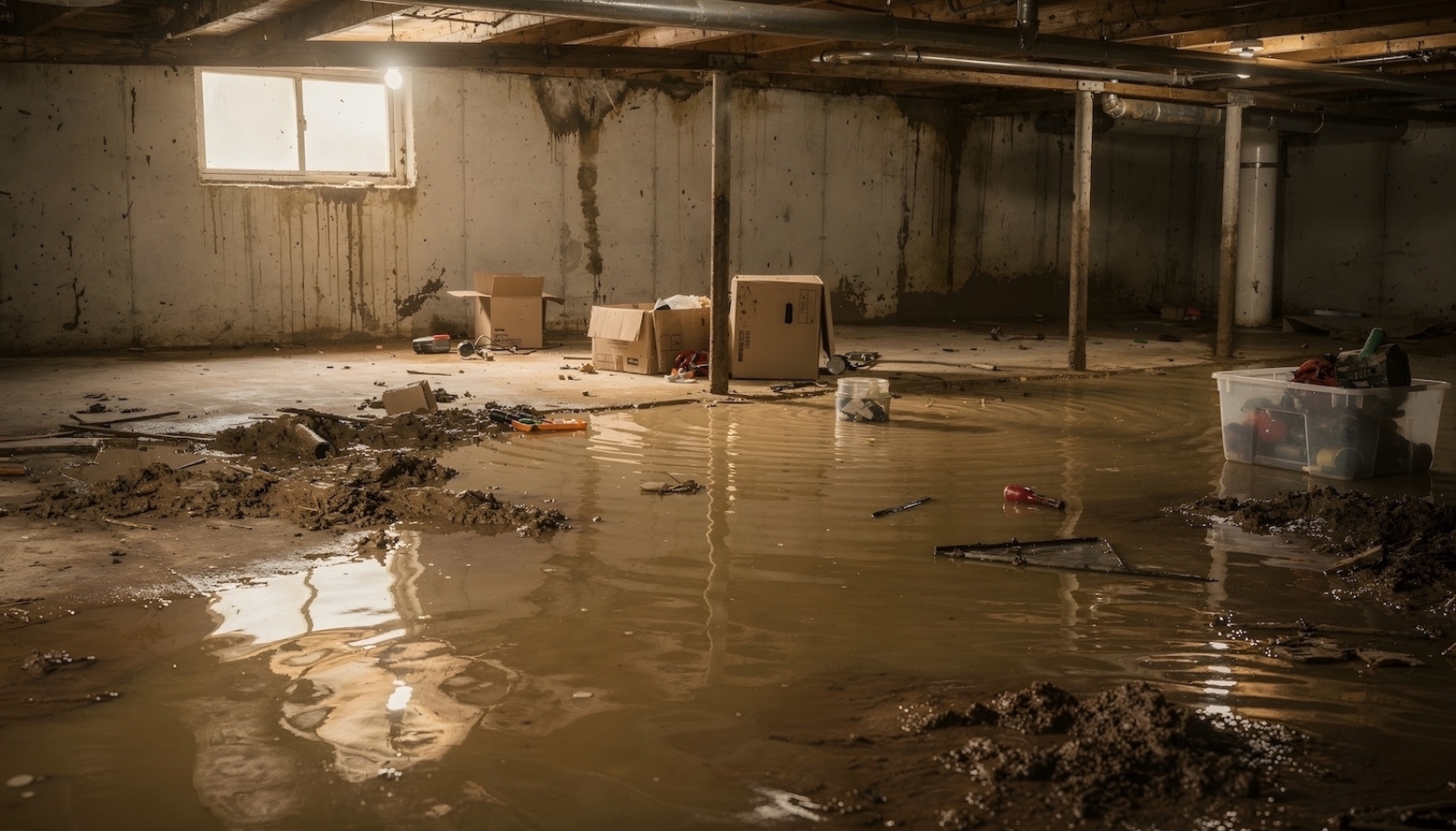
Flash floods can overwhelm homes and businesses in minutes, leaving property owners facing standing water, damaged belongings, and significant uncertainty about what to do next.
In the chaos that follows a flood, the decisions made in the first few hours can have a major impact on how much long-term damage occurs. Acting quickly, and correctly can significantly reduce repair costs, prevent mold growth, and help restore your property more efficiently.
Understanding the right steps to take immediately after a flash flood damage can help protect both your property and your safety.
Why the First 24 Hours After Flooding Matter
When floodwater enters a building, it begins spreading through structural materials almost immediately. Water quickly penetrates drywall, insulation, flooring, and framing, often reaching hidden areas that are difficult to dry without professional equipment.
Within the first 24 hours:
- Moisture spreads deeper into walls and flooring
- Porous materials begin absorbing water
- Structural materials start weakening
- The risk of mold growth increases
Because of this rapid progression, prompt water damage restoration is critical. The sooner the damage is addressed, the more likely it is that materials can be properly dried and restored rather than replaced.
Step 1: Make Sure the Property Is Safe to Enter
Safety should always be the first priority after flooding.
Floodwater can introduce several hazards, including:
Electrical risks from submerged outlets or wiring
Contaminated water containing bacteria or debris
Structural instability in severely damaged areas
If electrical systems may have been affected, power should remain off until the property has been inspected by a professional.
Step 2: Document All Flood Damage
Before beginning cleanup, it’s important to document the damage thoroughly. This information can be critical for insurance claims and flood damage restoration planning.
Take photos or videos of:
Water levels on walls or furniture
Damaged flooring, drywall, or insulation
Affected appliances or equipment
Personal belongings that were damaged
Clear documentation helps provide an accurate record of the impact of the flood.
Step 3: Remove Standing Water as Quickly as Possible
The longer water remains inside a building, the more damage it can cause.
Professional restoration teams use specialized equipment such as:
High-capacity pumps
Industrial water extractors
Commercial wet vacuums
These tools allow technicians to remove large volumes of water quickly while minimizing additional damage to flooring and structural materials.
Step 4: Begin Professional Structural Drying
Removing standing water is only the first step. Moisture often remains trapped inside walls, flooring systems, and substructures long after the visible water disappears.
Professional drying equipment, including air movers and commercial dehumidifiers, helps remove this hidden moisture and restore safe humidity levels.
Without proper drying, moisture can remain inside materials for weeks, increasing the risk of mold growth and the need for more extensive mold remediation, as well as potential structural deterioration.
Step 5: Remove Damaged Materials That Cannot Be Restored
Some materials, such as soaked carpeting, insulation, or severely damaged drywall, may need to be removed to prevent contamination or mold growth.
A restoration professional can evaluate which materials can be safely dried and which ones must be replaced.
Proper removal and disposal of damaged materials helps prevent long-term health and structural issues.
Step 6: Sanitize and Disinfect Affected Areas
Floodwater often contains contaminants such as bacteria, debris, and chemicals. Sanitizing affected areas is essential to restore a safe environment.
Professional restoration teams use specialized cleaning agents and antimicrobial treatments to eliminate contaminants and reduce the risk of mold growth.
Step 7: Schedule Professional Flood Damage Restoration
Flash flood recovery often involves more than simple cleanup. Restoration professionals can assess the full extent of the damage and develop a comprehensive repair plan.
This process may include:
Moisture detection and monitoring
Structural drying
Mold prevention treatments
Sanitization and deodorization
Repair and reconstruction of damaged materials
A thorough restoration process ensures that hidden water damage does not continue to affect the property after initial cleanup.
Common Mistakes Property Owners Make After Flooding
In the aftermath of a flood, many property owners unintentionally make decisions that can worsen the damage.
Some of the most common mistakes include:
Waiting too long to begin water removal
Assuming surfaces are dry when moisture remains hidden
Attempting DIY drying without proper equipment
Ignoring signs of mold growth
Failing to inspect structural areas like crawl spaces or subfloors
Professional restoration teams have the tools and experience needed to identify and address hidden damage before it becomes a larger problem.
Professional Restoration Protects Your Property
Flood damage often extends far beyond what is visible. Moisture trapped behind walls, under flooring, or inside structural components can lead to mold growth, structural deterioration, and expensive repairs if not addressed quickly.
Professional restoration specialists use advanced tool, such as moisture meters and thermal imaging, to detect hidden water and ensure the entire property is properly dried and restored.
Restore Your Property with Confidence
Flash floods can cause significant disruption, but acting quickly can help limit damage and speed the recovery process.
At ALL-CLEAN USA, our experienced restoration team responds quickly to flood emergencies, helping property owners remove water, dry affected areas, and restore buildings safely and efficiently.
Programs like ALL-CLEAN’s Prime Promise provide additional peace of mind by ensuring restoration work is handled thoroughly and professionally.
If your home or business has experienced flooding, contact ALL-CLEAN USA for immediate assistance and professional flood damage restoration.