
Mold growth can occur where moisture persists, especially in hidden or seldom-used areas, making professional mold remediation an important part of the restoration process. Church buildings are much more than structures. They are community centers, sacred spaces, and gathering places that support worship, fellowship, and service. When a church facility experiences water damage, fire, storms, mold, or general wear, it affects not only the building itself but its ability to function as intended. Understanding the unique needs of these spaces is essential to restoring both use and peace of mind.
With a local presence and a thoughtful, thorough approach, our team works with church leadership and facilities teams to address restoration needs during challenging situations.
Why Church Restoration Matters
Churches often include a mix of spaces, like sanctuaries, fellowship halls, classrooms, offices, kitchens, and restrooms. Each of these areas may require different restoration approaches depending on the cause of damage. For example:
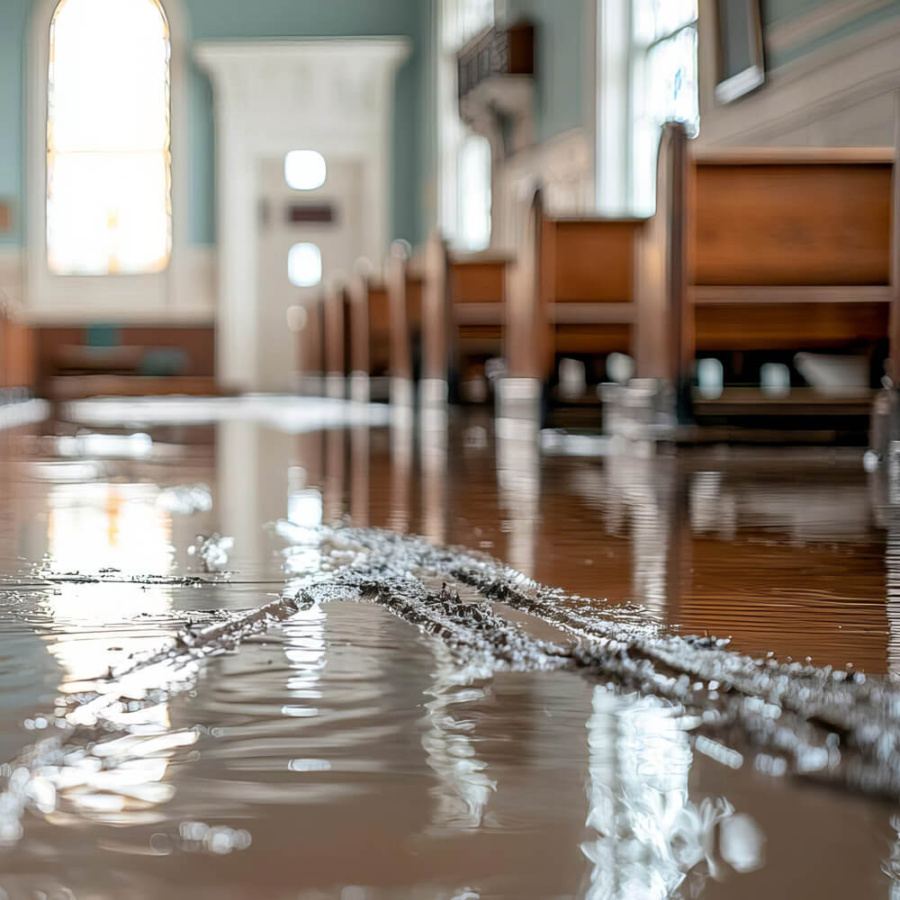
- Water damage from leaks, storms, or plumbing failures can affect structural elements, finishes, and furnishings.
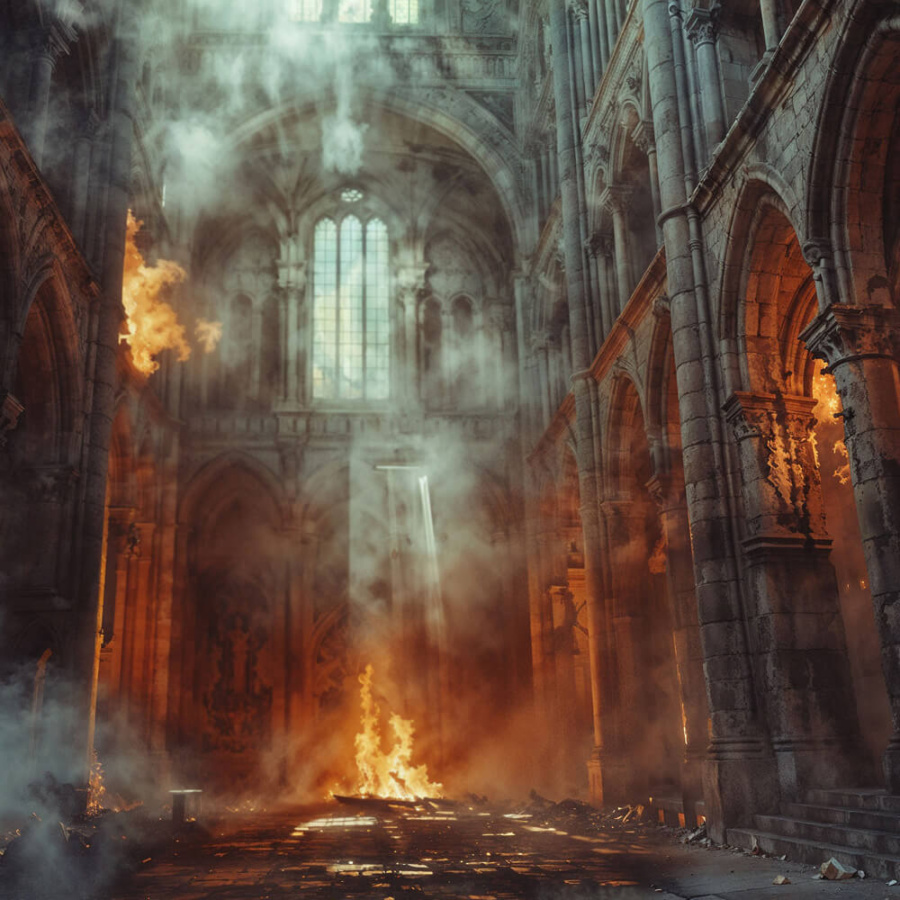
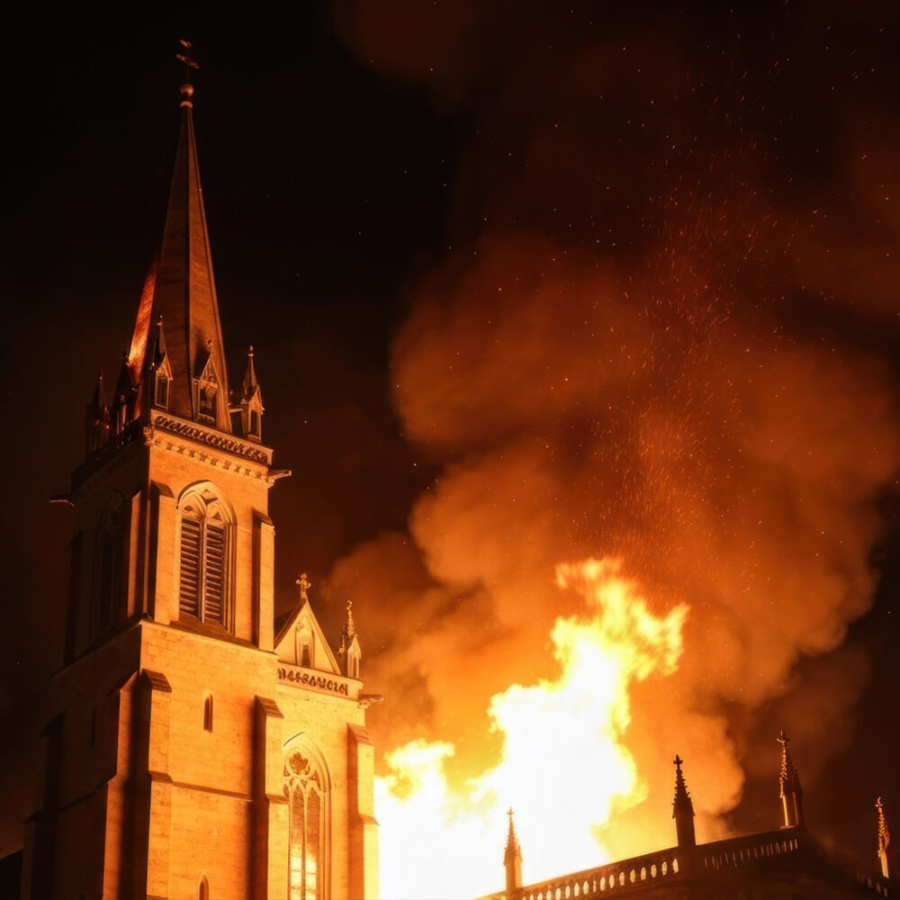
- Fire and smoke damage can leave lingering odors, soot residues, and compromised materials throughout walls, ceilings, and HVAC pathways.
- Mold growth can occur where moisture persists, especially in hidden or seldom-used areas, making professional mold remediation an important part of the restoration process.
Addressing these types of damage promptly and professionally can help preserve architectural features and maintain a safe environment for all members and visitors.
Comprehensive Restoration Approach
Church restoration often requires a systematic and customized process that begins with a detailed assessment of the damage and extends through final cleanup and recovery. A professional restoration team typically takes the following steps in the process:- Conducts a thorough damage assessment to understand the full scope of issues, including unseen moisture or smoke residues.
- Implements moisture detection and remediation technologies to ensure thorough drying and prevent ongoing issues.
- Executes structural repairs, cleaning, and deodorization where needed, addressing both visible and hidden damage.
- Works with facility leaders to coordinate timing, access, and staging areas in ways that respect church schedules and activities.
Preserving Church Architecture and Function
Church facilities often feature unique architectural elements, like stained glass, wood pews, detailed plasterwork, and high ceilings that contribute to historic and spiritual significance. Restoration professionals must balance technical repair work with the preservation of these features.
For example, restoration after water damage might include careful drying and stabilization of wood surfaces to prevent warping or cracking. Smoke damage remediation may involve specialized techniques to remove odors from upholstery, acoustic paneling, and fabric-covered areas without causing further harm.
This blend of technical skill and nuanced handling of sensitive materials is central to successful restoration remediation.
Supporting Congregational Safety and Comfort
In addition to structural restoration, restoring health-related elements of church spaces is also important. Churches often serve diverse age groups, host community events, and provide spaces for meetings, meals, education, and outreach. Maintaining clean, dry, and contaminant-free environments supports the health and well-being of congregants, volunteers, and staff.
Regular maintenance, restoration planning, and access to an emergency response program, like ALL-CLEAN’s PRIME Promise can help reduce the risk of future issues and ensure that, if damage occurs, the church can be restored quickly and efficiently. This proactive approach supports accessibility, comfort, and longevity — all of which contribute to a positive experience for every visitor.
A Responsive, Experienced Restoration Partner
ALL-CLEAN USA has been serving Arkansas and surrounding communities with restoration services for 33 years. We are a family-owned company with a team of certified restoration professionals and a long history of responding to complex restoration needs across diverse property types. Our decades of experience mean we understand the urgency and sensitivity involved when restoration needs arise in places of worship. Whether the cause is water, fire, storm damage, or environmental concerns like mold, our trained technicians approach every project with care, precision, and respect for the building’s use and spiritual significance.Church Restoration FAQ
-
What types of restoration services do churches typically need?
Churches may require restoration services for water damage, fire and smoke damage, mold growth, storm impacts, or aging building materials. These services often involve structural drying, cleaning, repairs, and environmental remediation to restore safety and usability. -
Why is professional restoration important for churches and places of worship?
Church buildings often include unique architectural features and serve large, diverse groups of people. Professional restoration helps ensure repairs are completed safely, thoroughly, and in a way that preserves the integrity and function of sacred spaces. -
How does water damage affect church facilities?
Water damage can impact flooring, walls, ceilings, electrical systems, and furnishings. If not properly addressed, lingering moisture may lead to mold growth or structural deterioration, making professional assessment and drying essential. -
Can restoration services help preserve historic or architectural elements?
Yes. Experienced restoration teams use specialized techniques to stabilize and clean materials such as wood, plaster, stained glass, and fabric-covered surfaces while minimizing disruption to original design elements. -
What considerations are important when restoring an active church building?
Restoration planning often takes into account worship schedules, community events, safety access points, and sensitive areas within the facility. Coordination helps reduce disruption while ensuring thorough restoration. -
How can churches reduce the risk of future damage?
Routine inspections, timely repairs, moisture monitoring, and proactive maintenance planning can help identify issues early and reduce the likelihood of larger restoration events over time. -
When should a church contact a restoration professional?
A restoration professional should be consulted when there is visible damage, unusual odors, suspected mold, water intrusion, or after events such as storms or fire incidents to assess conditions and recommend next steps.
Learn More About Church Restoration Services
Professional restoration for places of worship is about more than fixing damage, it’s about aiding recovery, preserving spaces that matter to communities, and creating conditions where congregational life can thrive. If your facility is facing challenges due to water and fire damage or environmental concerns, learning more about structured restoration options can help you make more informed decisions for long-term care.
Contact us to discuss the unique needs of your church facility today!
See What Our Customers Are Saying:
What Sets Us Apart
We are a family-owned disaster restoration and reconstruction company located in Arkansas. Serving Arkansas since 1993, we have built a reputation for delivering the highest level of client satisfaction in the industry by restoring our clients’ properties to a pre-loss condition. Not only do we have our own top-of-the-line equipment, but we also have an all-star team of industry professionals who have completed over 48,000 restoration jobs. Our team of experts provides both residential and commercial services across Arkansas and prioritizes speedy recovery so you can get back to your normal schedule. From the beginning stages of planning and assessment to the final stages of repair and reconstruction, we are a one-stop shop that can satisfy all your needs in one place.
We are here for you 24 hours a day, seven days a week