


How Flash Floods Cause Long-Term Damage (and What to Do About It)
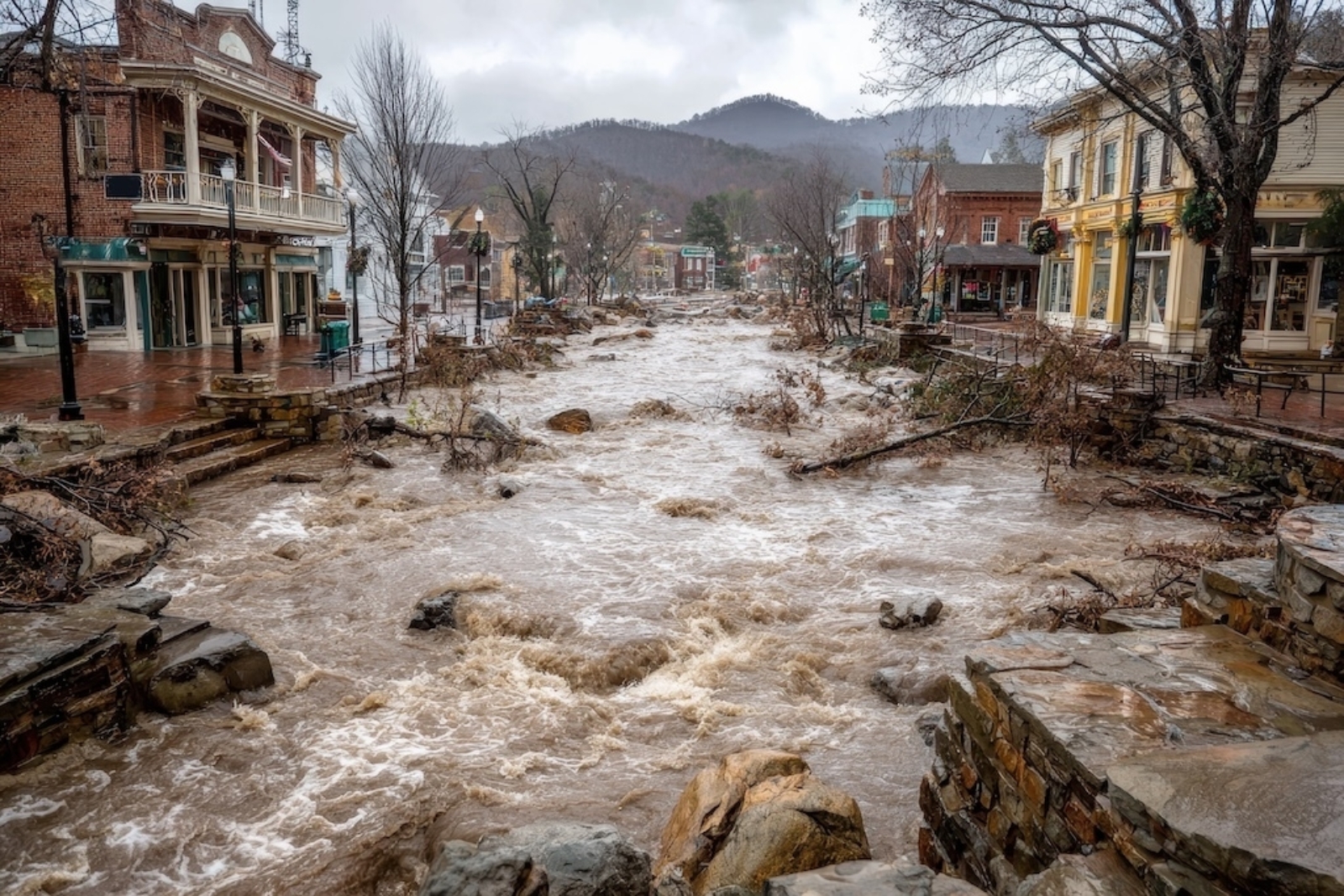
Flash floods are among the most destructive natural disasters affecting homes and businesses. Unlike gradual flooding, flash floods occur rapidly, often within minutes of intense rainfall, leaving property owners little time to prepare or respond.
While the immediate impact of floodwater is obvious, the long-term damage caused by flash flooding is often far more severe and expensive than many people realize. Even after the water recedes, moisture trapped within walls, flooring, and structural materials can lead to costly problems months or even years later.
Understanding the hidden effects of flash flood damage and why prompt restoration is critical can help property owners protect both their buildings and their financial investment.
Why Flash Flood Damage Is More Dangerous Than It Appears
When a flash flood hits a home or commercial building, water rarely stays on the surface. It quickly penetrates porous materials and spreads through hidden areas of the structure.
Within minutes, floodwater can seep into:
Drywall and insulation
Hardwood flooring and subfloors
Carpeting and padding
Cabinets and structural framing
Electrical systems and HVAC components
Because water naturally seeks the lowest point, it often travels into basements, crawl spaces, and wall cavities where hidden water damage may not be visible right away.
Even if floors appear dry after cleanup, moisture can remain trapped inside building materials, slowly weakening them over time.
The Hidden Long-Term Damage Flash Floods Can Cause
1. Structural Deterioration
One of the most serious consequences of floodwater intrusion is gradual structural damage.
Building materials such as wood framing, plywood, and drywall absorb water quickly. When moisture remains trapped, these materials can:
Warp or swell
Lose structural integrity
Develop rot and decay
Over time, this deterioration can weaken walls, flooring systems, and support structures. What initially looks like minor flood damage may eventually require major reconstruction if not addressed properly.
2. Mold Growth and Indoor Air Quality Issues
Mold is one of the most common and costly long-term consequences of water damage.
Mold spores naturally exist in the environment, but when they encounter moisture and organic materials like wood or drywall, they begin to grow rapidly. In many cases, mold colonies can start forming within 24 to 48 hours after flooding.
Once mold spreads inside walls, ceilings, or HVAC systems, it can create ongoing problems such as:
Musty odors
Reduced indoor air quality
Respiratory irritation and allergies
Expensive mold remediation costs
Professional drying and dehumidification are essential to prevent mold damage after a flash flood.
3. Electrical and Mechanical System Damage
Floodwater doesn’t just affect visible surfaces, it can compromise critical systems inside a building.
Water exposure can damage:
Electrical wiring
Circuit panels
Appliances
HVAC systems
Water heaters and furnaces
Even if these systems appear functional immediately after a flood, hidden corrosion or contamination can cause failures later. Electrical hazards are also a major safety concern when water damage has occurred.
A professional inspection is often necessary to determine whether these systems can be safely restored or need replacement.
4. Foundation and Subfloor Problems
Flash floods can also weaken the structural foundation of a building.
When water saturates the soil surrounding a home, it can cause:
Foundation shifting
Cracks in basement walls
Settling or uneven flooring
Increased moisture intrusion in crawl spaces
Over time, these issues may lead to costly structural repairs if they are not addressed early.
The Real Cost of Waiting to Repair Water Damage
One of the biggest mistakes property owners make after a flash flood is assuming the damage is minor once the water disappears.
Unfortunately, waiting to address water damage can dramatically increase repair costs.
The First 24 Hours
During the first day after flooding:
Water spreads deeper into materials
Flooring begins absorbing moisture
Drywall and insulation start deteriorating
Early water extraction and drying during this window can significantly reduce restoration costs.
48 Hours and Beyond
After two days, the risk of secondary damage increases rapidly:
Mold growth can begin
Wood structures may start warping
Odors become trapped inside materials
At this stage, what might have been a simple drying process may now require demolition and reconstruction of affected areas.
Weeks or Months Later
When water damage is ignored for extended periods, property owners often face much larger problems such as:
Extensive mold remediation
Structural repairs
Flooring replacement
Cabinet and drywall reconstruction
Insurance claims can also become more complicated if damage worsens due to delayed action.
What Property Owners Should Do After a Flash Flood
Acting quickly after a flood can significantly reduce both damage and restoration costs.
Here are the most important steps to take.
1. Prioritize Safety
Before entering a flooded property, ensure it is safe. Floodwater can contain contaminants, electrical hazards, and structural risks.
If electrical systems may have been affected, avoid turning on power until a professional has inspected the property.
2. Document the Damage
Take photos and videos of all affected areas before cleanup begins. This documentation can help with insurance claims and restoration assessments.
Be sure to capture:
Water levels
Damaged materials
Affected furniture and belongings
3. Remove Standing Water Quickly
The faster standing water is removed, the less damage will occur. This equipment allows them to remove water from both visible and hidden areas. Professional restoration teams use specialized equipment such as:
Industrial water extractors
High-capacity pumps
Moisture detection tools
4. Begin Professional Drying and Dehumidification
Removing standing water is only the first step. Thorough drying is necessary to eliminate trapped moisture within materials. Industrial air movers and dehumidifiers help restore safe humidity levels and prevent mold growth. Without proper drying, moisture can remain hidden inside structures for weeks.
5. Schedule Professional Flood Damage Restoration
Flash flood recovery often requires more than simple cleanup. Professional restoration teams can assess the full extent of the damage and create a comprehensive recovery plan.
This process may include:
Moisture detection and monitoring
Structural drying
Sanitization and disinfection
Mold prevention treatments
Repair and reconstruction of damaged materials
Why Professional Flood Restoration Matters
Flash flood damage is rarely limited to what you can see. Hidden moisture and contamination can create ongoing structural and health risks if not properly addressed.
Professional restoration specialists use advanced tools—including moisture meters and thermal imaging—to detect water trapped behind walls and under flooring.
This ensures the entire property is dried and restored correctly, preventing long-term damage.
Protect Your Property from Long-Term Flood Damage
Flash floods can cause devastating property damage in a matter of minutes, but the long-term effects often occur slowly and silently. Structural deterioration, mold growth, electrical hazards, and foundation issues can develop long after floodwaters recede. Acting quickly is the most effective way to reduce repair costs and protect your property.
If your home or business has experienced flooding, professional restoration services can help restore your building safely and prevent costly damage from spreading. Programs like ALL-CLEAN's Prime Promise are designed to give property owners peace of mind by ensuring restoration work is handled thoroughly and professionally, helping prevent hidden moisture and long-term damage from returning.
The sooner water damage is addressed, the easier—and more affordable—the recovery process becomes. Contact us today for immediate assistance!