
How Long Does It Take to Repair Fire Damage? Timelines by Phase
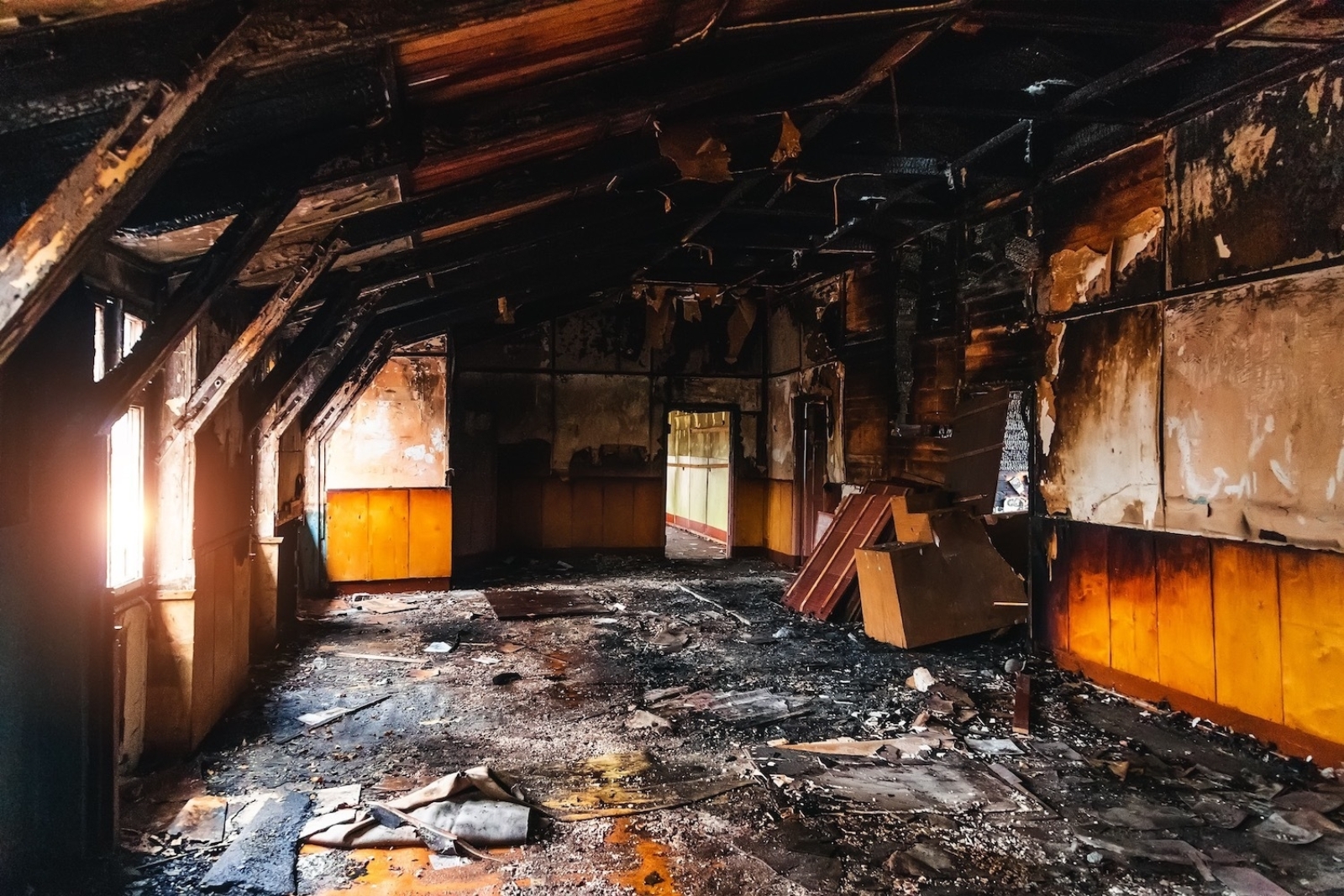
"How long until we can move back in?" is usually the second question we hear after a fire, right after "what can be saved?" It's a fair question. You're paying for a hotel or crowding into a relative's spare room, and you want a date to plan around.
The real answer depends on how much of the house burned, how far the smoke traveled, and how much water was used to put the fire out. But fire restoration follows a predictable sequence, and once you understand the phases, the timeline makes a lot more sense. Here's how it breaks down, based on the work our IICRC-certified crews at All-Clean USA have done on Arkansas homes and businesses since 1993.
Typical Timelines at a Glance
| Damage level | What it looks like | Typical timeline |
| Minor | Small, contained fire (often a kitchen fire). Smoke in one or two rooms. No structural damage. | About 1 to 2 weeks |
| Moderate | Fire damage to a room or two. Smoke and odor through much of the house. Some water damage from firefighting. | About 3 to 8 weeks |
| Major | Structural damage to the roof, framing, or multiple rooms. Smoke and water throughout. | Several months or longer |
These ranges cover the restoration work itself. Insurance approvals, permits, and material availability can add time on top, which we cover below.
The Phases of Fire Restoration and How Long Each Takes
1. Emergency response and board-up: same day
Once the fire department releases the property, the first job is protecting it. That means boarding up windows and doors, tarping the roof, and in some cases putting up temporary fencing. This usually happens within hours of the first call.
2. Assessment and scope: 1 to 3 days
A restoration team walks the property, identifies the type of smoke residue in each area, measures moisture, and documents everything with photos. That becomes a written scope of work that your insurance adjuster reviews. The scope is also when you'll get a much more specific timeline for your home.
3. Water removal and drying: 3 to 5 days
Firefighting can leave a lot of water behind. Standing water is extracted, wet materials that can't be dried are removed, and dehumidifiers and air movers run until moisture readings reach normal levels. Rushing this step is how mold ends up behind new drywall.
4. Debris removal and demolition: 1 to 7 days
Charred materials, unsalvageable drywall and insulation, and damaged flooring are removed. Belongings that can be restored are inventoried and packed out so they aren't damaged during the rest of the work.
5. Smoke and soot cleaning: 1 to 3 weeks
Every affected surface gets cleaned with methods matched to the type of residue. Walls, ceilings, cabinets, floors, and fixtures are all cleaned, while HEPA air scrubbers keep soot from resettling. This is often the longest phase in a moderate fire because smoke reaches so much of the house. Our smoke and soot damage guide explains the process in detail.
6. Odor removal: 1 to 2 weeks
Odor treatment usually overlaps with cleaning. Depending on how deep the smell goes, we use thermal fogging, hydroxyl generators, or ozone, and the HVAC ductwork gets cleaned so it doesn't keep circulating smoke odor.
7. Content cleaning: 1 to 4 weeks
Clothing, furniture, electronics, and personal items are cleaned at our facility while the structure is being worked on, so this runs alongside the other phases instead of adding to the end. Our content cleaning service returns everything once the home is ready.
8. Repairs and reconstruction: a few days to several months
This is where timelines vary the most. Replacing some drywall and repainting might take a week. Rebuilding a roof or a section of the house can take months. Licensed electricians and plumbers inspect and repair systems, then insulation, drywall, paint, flooring, and fixtures go back in.
9. Final walkthrough: 1 to 2 days
Before you move back in, the home is checked for any remaining odor or residue, systems are tested, and you walk through with the project manager to sign off on the work.
What Speeds Up or Slows Down Fire Restoration
How much of the house the smoke reached
A fire that stays in one room can still send smoke through the whole house. Smoke spread affects the timeline more than most people expect, because every surface it touched has to be cleaned.
The type of smoke residue
Dry, powdery soot from a fast, hot fire cleans up quickly. Sticky residue from burning plastic, the nearly invisible film from a kitchen fire, and greasy soot from a furnace puff back all take more time and specialized products.
Materials in the home
Hard, sealed surfaces clean faster than porous ones. Unfinished wood, brick, stone, and textured ceilings hold onto soot and odor and often need extra treatment or replacement.
How fast cleanup starts
Soot is acidic and keeps damaging surfaces the longer it sits. Water left in the structure leads to mold. Homes where mitigation starts in the first day or two almost always finish sooner than homes that sat for a week.
Insurance approvals
Adjusters have to review and approve the scope before major repairs begin. Clear documentation from the start, and a restoration company that communicates directly with your adjuster, helps keep things moving.
Permits and materials
Structural repairs and electrical work usually need permits and inspections. Special-order items like cabinets, windows, or specific flooring can add weeks if they're backordered.
How to Keep Your Restoration on Schedule
- Report the claim right away and ask about additional living expenses (ALE) coverage.
- Document everything before it's moved or thrown out. Photos and video of every room save time with your adjuster.
- Use one company for mitigation and rebuild if you can. Fewer handoffs mean fewer delays between phases.
- Make finish selections early. Picking flooring, paint, and fixtures while cleaning is still going on keeps reconstruction from stalling.
- Stay reachable. Quick answers to questions from your adjuster and project manager keep work from pausing.
If you're still in the first few days after a fire, start with our guide on how to restore your home after a fire. It covers safety, insurance, and what not to do before cleanup begins.
Frequently Asked Questions
How long does smoke damage cleanup take by itself?
For light smoke in a room or two, a few days. For smoke throughout a home, usually one to three weeks including odor treatment. Heavy residue from plastics, kitchen fires, or furnace puff backs is on the longer end.
Can I live in my house during fire restoration?
For a small fire, sometimes. The affected area can be sealed off while you live in the rest of the house. With heavy smoke, water damage, or structural repairs, you'll almost always need to stay somewhere else. Check whether your policy includes ALE coverage.
Why does the timeline change after the work starts?
Opening walls and removing damaged materials sometimes reveals hidden damage, like charred framing, wet insulation, or smoke in wall cavities. When that happens, the scope gets updated and your adjuster reviews the changes.
Does commercial fire restoration take longer?
It depends on the size of the building and the damage, but commercial jobs can often be phased so parts of the building reopen sooner. Our commercial fire and smoke restoration team plans work around your operations.
Get a Timeline for Your Property
Every fire is different, and the best way to get a real timeline is to have someone walk the property. Our fire and smoke damage restoration crews in Jonesboro, Conway, and Hot Springs respond 24 hours a day across Northeast, Central, and Southwest Arkansas. Call 866-360-3473 or contact us online, and we'll give you a clear plan and a realistic schedule before any work starts.
About the Author
Danny-Joe Crofford is the Executive Vice President of Sales and Marketing at All-Clean USA. Raised in White Hall, Arkansas, he spent most of his career in Central Arkansas radio and television before joining All-Clean USA. He writes about restoration, insurance, and disaster preparedness to help Arkansas homeowners and businesses know what to expect after fire, water, mold, and storm damage. Read more about Danny-Joe.