


What to Do If Insurance Denies a Restoration Claim
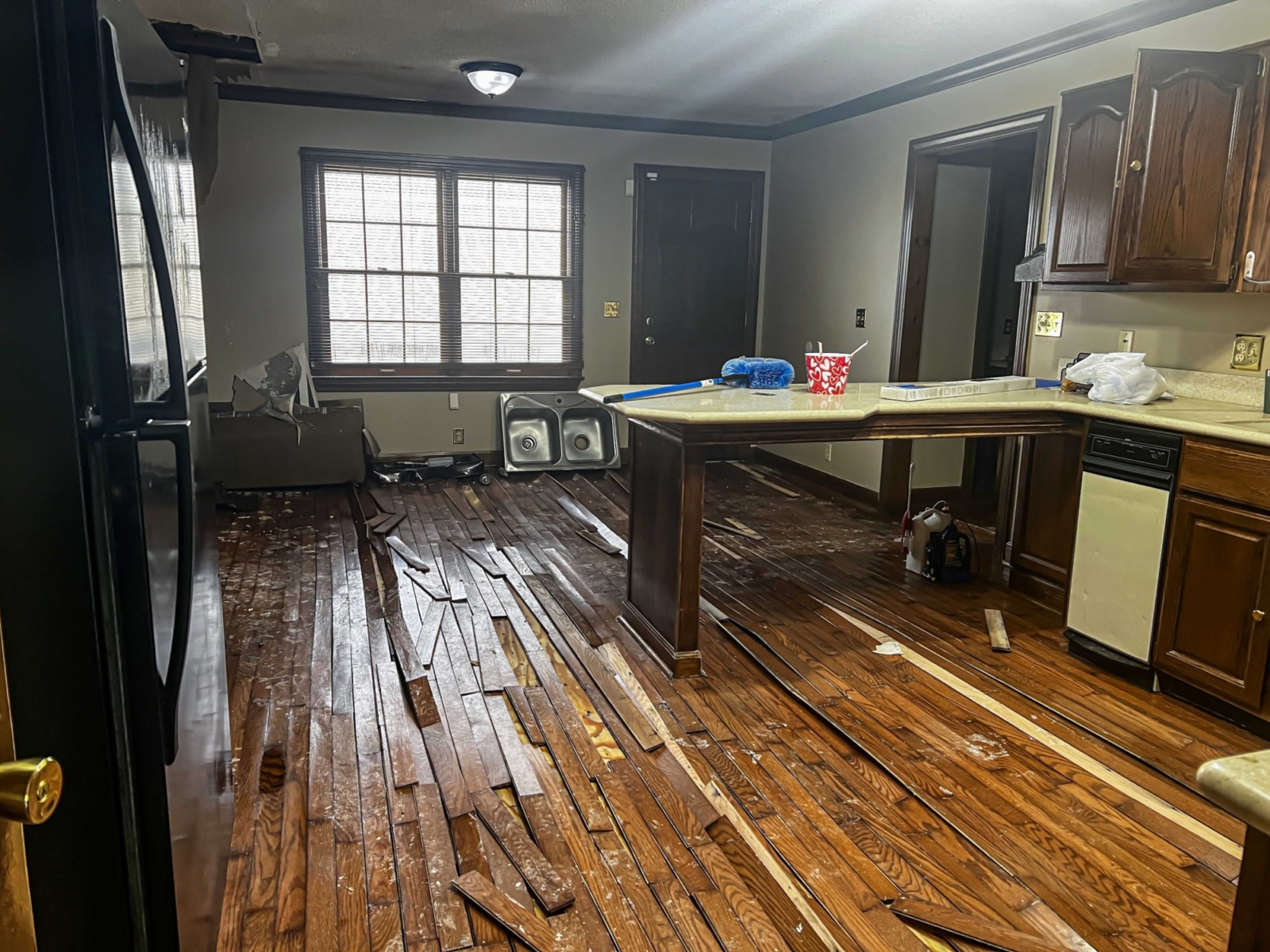
Quick answer: A denied restoration claim is not the end of the road. Start by reading your denial letter to find the exact reason, compare that reason against your actual policy language, gather strong documentation, and submit a written appeal before your deadline. If the denial still stands, you can escalate to a licensed public adjuster, file a complaint with the Arkansas Insurance Department, or consult an attorney. Many homeowners who push back — calmly and with evidence — get the decision reversed.
Few things feel worse than a denial letter landing after a fire, flood, or storm has already turned your home upside down. You paid your premiums, you did everything right, and now the one safety net you counted on seems to have failed. Take a breath. After more than 30 years restoring Arkansas homes and businesses — and 48,000-plus completed jobs working alongside insurance adjusters — the team at All-Clean USA has seen plenty of denials overturned. Here's how to respond the right way.
Important note: All-Clean USA is a disaster restoration company, not a law firm or insurance agency. The guidance below reflects general best practices, not legal advice. Policies and rules vary by carrier and by state, so confirm the specifics with your insurer, a licensed public adjuster, or an attorney.
First, Understand Why Claims Get Denied
Insurers don't reject claims at random. Before you can push back effectively, you need to know exactly which reason applies to you. The most common causes of restoration claim denials include:
- The damage falls under an exclusion. Standard homeowners policies don't cover everything. Flooding (rising water) and earthquakes are classic exclusions, which is why a flood-related water claim is so often denied when there's no separate flood policy in place.
- It's blamed on wear and tear or neglect. If the insurer believes the damage built up gradually — a slow leak, a poorly maintained roof — they may classify it as a maintenance issue rather than a sudden, covered loss.
- Not enough documentation. Adjusters decide based on evidence. Thin proof of what happened and how bad it is can sink an otherwise valid claim.
- Late reporting or a missed deadline. Many policies require you to report a loss within a set window, often within a year, and some much sooner.
- A policy lapse. A missed premium payment can leave you uncovered at the worst possible moment.
- The loss is below your deductible, or the cause of damage is disputed.
Sometimes a denial is simply correct — the loss genuinely isn't covered. But just as often, it stems from a misunderstanding, an incomplete inspection, a clerical error, or a too-narrow reading of your policy. Your job is to figure out which one you're dealing with.
Step 1: Read the Denial Letter Word by Word
Your insurer is generally required to explain a denial in writing, citing the specific policy provision or exclusion they relied on. That letter is your roadmap. Read it slowly and note every reason given, along with any documentation they claim you failed to provide. Don't react emotionally to the rejection — react to the reasoning. The specific language they used is exactly what your appeal will need to answer.
Step 2: Compare the Denial to Your Actual Policy
Your policy is a contract, and the insurer has to play by what it actually says. Pull out your declarations page and the full policy, then find the sections the denial letter references. Ask yourself: does the exclusion they cited truly apply to how your damage happened? Does the policy language really say what they claim? Insurance contracts are dense and easy to misapply. If the reason for denial doesn't line up with the policy terms, you may have a strong case to dispute it.
Step 3: Build an Overwhelming Evidence File
Insufficient evidence is one of the most common reasons claims fail — so your goal is to leave the insurer no room to maintain their position. Strong documentation includes:
- Photos and video from every angle — wide shots that show context and close-ups that show specific damage. If you called us in for emergency mitigation, we likely already captured detailed documentation, including moisture readings from areas you can't see.
- Independent repair estimates. Multiple detailed estimates from licensed contractors carry real weight. If the insurer's number looks unreasonably low, professional estimates become concrete counter-evidence.
- A professional restoration assessment. For major fire, water, or storm losses, a neutral expert's scope of work and moisture-mapping report can directly challenge an adjuster's conclusions.
- Receipts for emergency repairs, temporary housing, and any out-of-pocket costs tied to the loss.
- A record of every communication — dates, names, what was said, and any calls or emails the insurer didn't return.
This is where a restoration partner genuinely strengthens your hand. All-Clean USA's IICRC-certified technicians use infrared thermographic cameras and moisture meters to map exactly how far water traveled — including behind walls and under floors — and we document the full scope of damage, not just what's visible on the surface. That detailed record becomes powerful support for an appeal.
Step 4: Write a Formal Appeal Letter
Most insurers have an internal appeal process, and a well-built appeal is often the fastest way to reverse a denial. Keep your letter professional, specific, and factual — never emotional. In it:
- Address each reason cited in the denial and explain, point by point, why it's incorrect or doesn't apply.
- Quote the policy language that supports coverage for your loss.
- Attach your evidence — photos, estimates, the restoration assessment, and receipts.
- State clearly what you want: a full reversal of the denial and payment of the claim.
- Send it by certified mail so you have proof of delivery, and keep copies of everything.
Watch your clock. Appeal deadlines vary, but many carriers allow somewhere in the range of 30 to 60 days — check your denial letter and policy for the exact window, and act quickly.
Step 5: Dispute a Lowball Settlement, Too
A denial isn't the only thing worth fighting. Sometimes a claim is approved but the payout falls far short of what repairs actually cost. You have the right to dispute a settlement the same way you'd dispute a denial — by submitting additional evidence, requesting a re-inspection, or asking for a different claims adjuster to take a fresh look. Your contractor's detailed estimate is your best tool here.
Step 6: Escalate If You're Still Denied
If your internal appeal doesn't work, you still have options:
- Hire a licensed public adjuster. Unlike the insurer's adjuster, a public adjuster works for you, interpreting your policy and advocating on your behalf. They typically charge a percentage of the recovered payout (often up to around 15%), so weigh the cost against what's at stake. You can find licensed professionals through the National Association of Public Insurance Adjusters and verify their credentials before hiring.
- File a complaint with the Arkansas Insurance Department. Your state regulator can act as an intermediary between you and your insurer. This is an especially good move if you suspect the denial wasn't made in good faith.
- Consult an attorney. When an insurer denies, delays, or underpays a clearly valid claim without a legitimate reason, that may rise to “bad faith.” An attorney who handles insurance disputes can advise you on your rights and, in some cases, help you recover more than the original claim value.
How a Restoration Partner Helps From Day One
The best way to win a claim dispute is to set the claim up correctly from the start. Acting fast also protects you: most policies include a “duty to mitigate,” meaning you're expected to take reasonable steps to prevent further damage — and failing to do so can itself become grounds for a denial.
At All-Clean USA, our emergency response teams aim to be on-site within one to two hours, 24 hours a day, 365 days a year, with locations in Conway, Jonesboro, and Hot Springs to cover Arkansas quickly. We stabilize the damage, dry your property properly, document the loss thoroughly, and work directly with your insurance company to help your claim move forward smoothly. Strong documentation and a professional scope of work from the very beginning are often what keep a claim from being denied in the first place.
Frequently Asked Questions
Can I appeal a denied home insurance claim myself?
Yes. Many homeowners successfully appeal without hiring anyone by reviewing the denial letter, supplying more evidence, and submitting a written appeal. If that fails, a public adjuster, the state insurance department, or an attorney can help.
How long do I have to appeal?
It varies by insurer and policy — often around 30 to 60 days. Check your denial letter for the exact deadline and act promptly.
What is a public adjuster?
A licensed professional you hire to represent your interests in a claim. They assess the damage independently and negotiate with the insurer on your behalf, usually for a percentage of the recovered amount.
What is a bad-faith denial?
When an insurer denies, delays, or lowballs a legitimate claim without a reasonable basis. If you believe this happened, consider filing a complaint with the Arkansas Insurance Department or speaking with an attorney.
Does a denied claim raise my rates?
A denied claim can still affect your premium, though typically less than an approved one. Even discussing a potential claim may be recorded, so weigh small claims carefully.
When Disaster Strikes, Start Strong
A denial can feel final, but it rarely is. Understand the reason, line it up against your policy, document everything, and appeal with facts. And remember that the strongest claims are built from the first hour — with fast mitigation and thorough documentation.
If your Arkansas home or business has suffered water damage, fire damage, or storm damage, call All-Clean USA, any time, day or night. We'll help you stabilize the situation, document the full scope of the loss, and work alongside your insurance company to restore your property to its pre-loss condition.
All-Clean USA is a family-owned, IICRC-certified disaster restoration company serving Arkansas since 1993, with locations in Conway, Jonesboro, and Hot Springs.