
Winter Heating Safety: Kerosene and Patio Heater Fire Damage Risks
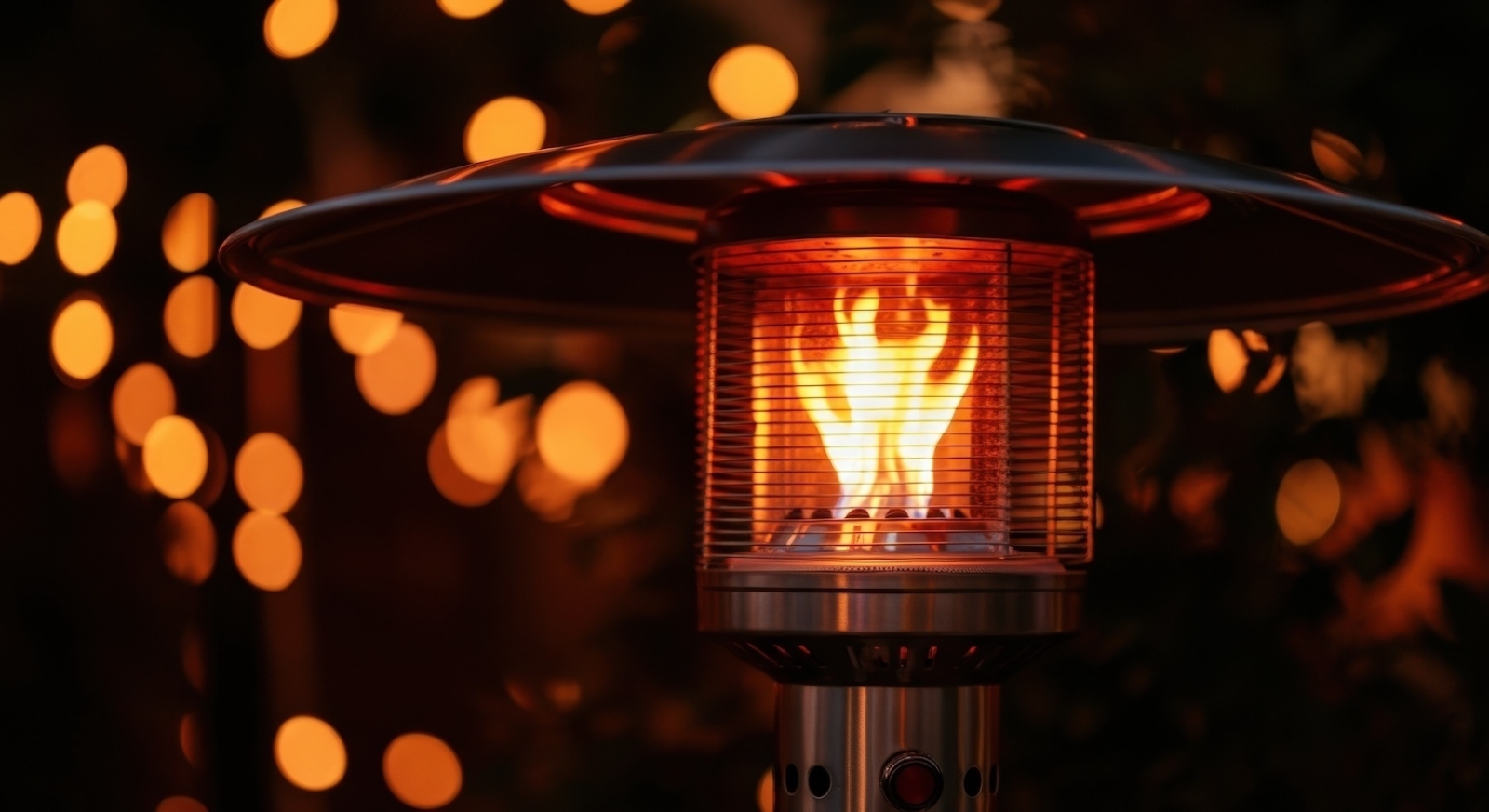
When winter settles in and temperatures dip below freezing, keeping your home warm becomes more than comfort, it becomes a necessity. Supplemental heating sources like kerosene heaters and patio heaters often feel like quick, convenient solutions during a cold surge, power outages, or when certain rooms just won’t stay warm.
But every winter, restoration companies like ALL CLEAN USA respond to emergencies that started with a portable heater.
What many homeowners don’t realize is that heating accidents rarely cause just one type of damage. A small flame can quickly turn into smoke damage, structural fire damage, and even extensive water damage from sprinkler systems or firefighting efforts. Add condensation and humidity issues from fuel-burning heaters, and the risks multiply.
As a professional water damage restoration company serving communities throughout Arkansas, ALL CLEAN USA has seen firsthand how preventable winter heating mistakes can lead to costly repairs.
Let’s break down the real risks — and how to avoid them.
Why Winter Heating Accidents Increase in Cold Months
During winter:
Windows stay closed.
Ventilation decreases.
Humidity levels fluctuate.
Electrical systems are under heavier load.
Temporary heating devices are used more often.
These factors create the perfect environment for:
Fire hazards
Carbon monoxide buildup
Moisture accumulation
Frozen pipes and burst plumbing
Mold growth following water damage
Understanding how kerosene and patio heaters function, and how they fail, is the first step in protecting your property.
The Hidden Risks of Kerosene Heaters
Kerosene heaters are popular because they’re portable, powerful, and do not require electricity. They’re often used during power outages or in garages and basements.
However, improper use can lead to significant damage, such as:
1. Fire Risk
Kerosene heaters operate with an open flame. If tipped over, placed too close to flammable materials, or refueled while still hot, they can ignite surrounding objects quickly.
Common causes of fire damage we see include:
Curtains too close to the unit
Clutter or storage boxes nearby
Refilling while the heater is warm
Using the wrong fuel type
A fire may be contained quickly, but even a small one can cause widespread smoke damage and trigger sprinklers, leading to water damage throughout the home.
2. Excess Moisture & Condensation
Many homeowners are unaware that fuel-burning heaters release water vapor as a byproduct of combustion. In enclosed winter spaces, this moisture has nowhere to escape.
Over time, excess humidity can cause:
Condensation on windows
Damp insulation
Warped wood flooring
Mold growth behind walls
Peeling paint and drywall damage
What starts as “just a little moisture” can become hidden structural damage requiring professional drying and remediation.
3. Carbon Monoxide Exposure
Without proper ventilation, kerosene heaters can release carbon monoxide, an odorless, dangerous gas.
Even if exposure doesn’t lead to a medical emergency, improper ventilation increases condensation and indoor air quality issues, which contribute to long-term property damage.
Why Patio Heaters Should Never Be Used Indoors
Outdoor patio heaters are designed for open-air environments. Using them inside garages, enclosed patios, or living spaces dramatically increases risk.
We’ve responded to cases involving:
Carbon monoxide poisoning
Fire spreading from overheated ceilings
Melted siding and structural damage
Water damage after emergency response
Patio heaters generate high heat output and are not engineered for confined indoor air circulation.
Even cracking a window is not sufficient ventilation.
Winter Fire Damage Often Becomes Water Damage
One of the biggest misconceptions homeowners have is that fire damage and water damage are separate problems.
In reality, they’re often connected.
If a heater sparks a fire:
Fire sprinklers may activate.
Firefighters may use high-volume hoses.
Snow tracked inside during emergency response melts into flooring.
Damaged pipes may freeze and burst afterward.
Within hours, water can seep into:
Subflooring
Drywall cavities
Insulation
Electrical systems
Without immediate professional drying, mold can begin forming within 24–48 hours.
At ALL CLEAN USA, we often respond to winter calls that started with a heater malfunction but quickly escalated into combined fire, smoke, and water damage restoration projects.
Safe Heater Use: Winter Protection Checklist
Keeping your home warm doesn’t have to mean risking your property. Follow these expert-backed safety guidelines:
Maintain Proper Clearance
Keep at least three feet of space between heaters and:
Furniture
Bedding
Curtains
Paper or cardboard
Holiday decorations
Never place heaters on wet flooring or unstable surfaces.
Ventilate Correctly
If using a kerosene heater:
Crack a window slightly.
Ensure airflow without creating strong drafts.
Never use in completely airtight rooms.
Proper ventilation reduces moisture buildup and carbon monoxide risk.
Never Leave Heaters Unattended
Turn off heaters when:
Leaving the house
Going to sleep
Leaving a room for extended periods
Many winter emergencies begin with “just stepping away for a few minutes.”
Refuel Safely
Allow heaters to cool completely before refueling.
Store kerosene in approved containers.
Keep fuel away from living areas.
Spilled fuel vapors can ignite easily.
Test Smoke and CO Detectors
Winter heating season is the time to:
Replace batteries in smoke alarms.
Test carbon monoxide detectors.
Ensure alarms are installed near sleeping areas.
Early warning systems save lives and minimize property damage.
Watch for Early Signs of Moisture Damage
After extended heater use, monitor your home for:
Foggy windows
Musty odors
Peeling paint
Soft drywall
Warped trim or baseboards
These signs may indicate excess indoor moisture, and catching them early can prevent major restoration work.
If Damage Happens, Act Immediately
When water, smoke, or fire damage occurs, time is critical.
Delaying cleanup can lead to:
Mold growth
Structural weakening
Electrical hazards
Higher repair costs
Professional restoration teams use commercial-grade drying equipment, moisture meters, and air scrubbers to stabilize the property and prevent secondary damage.
ALL CLEAN USA provides:
24/7 emergency response
Water extraction and structural drying
Smoke and soot cleanup
Full-service restoration solutions
Winter damage spreads quickly — but so does proper mitigation when addressed immediately.
A Winter Reminder: Stay Warm, Stay Safe
There’s something peaceful about winter, fresh snow, quiet mornings, warm rooms against the cold outside. But supplemental heating devices require respect and proper use.
A heater should bring comfort, not crisis.
By following safety precautions and staying aware of moisture and fire risks, you can reduce the chances of:
Fire damage
Water damage
Mold growth
Costly restoration repairs
And if the unexpected happens, know that experienced professionals are ready to help restore your home safely and efficiently.
Need Help After Winter Damage?
If a heating issue has caused fire, smoke, or water damage in your home or business, don’t wait.
Contact ALL CLEAN USA for fast, professional restoration services. Acting quickly can make the difference between minor repairs and major reconstruction.
Stay warm this winter — and protect your home the smart way. Contact us for immediate assistance!