
What Does IICRC Certified Actually Mean?
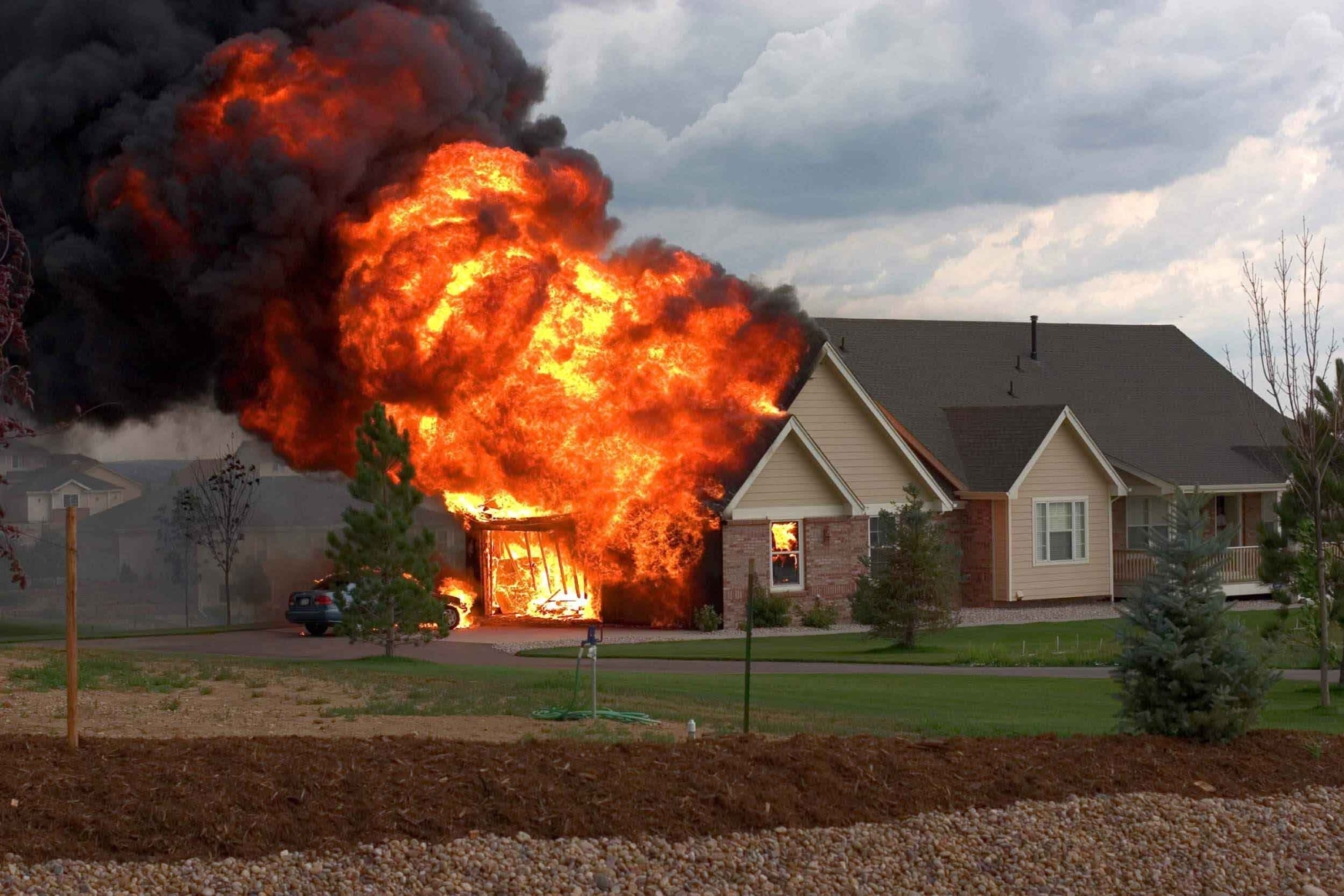
If you've called a restoration company in Conway, Jonesboro, or Hot Springs after a pipe burst or a kitchen fire, you've probably seen the phrase "IICRC certified" on their website or truck. It sounds official. But most homeowners have no idea what it actually means, or why it should matter when they're choosing who gets to work in their home.
IICRC stands for the Institute of Inspection Cleaning and Restoration Certification, an independent, nonprofit standards body that has been setting the bar for the cleaning and restoration industry since 1972. It doesn't certify companies so much as it certifies people. Individual technicians go through coursework, hands-on training, and exams to earn each credential, and they have to keep those certifications current.
At All-Clean USA, our technicians hold six separate IICRC certifications, each one built for a different kind of disaster. In more than three decades of responding to water, fire, mold, and storm damage calls across Conway, Jonesboro, and Hot Springs, we've seen directly what separates a crew working from documented standards from one that's improvising. Below is a plain-English breakdown of what each certification covers, why it exists, and what it means for the work happening in your home.
Why Certification Matters More Than It Sounds Like It Should
Water damage, mold, and fire damage cleanup look simple from the outside: dry it out, clean it up, done. In practice, the wrong approach can trap moisture inside walls, spread mold spores through an HVAC system, or leave smoke odor baked into drywall for years. Uncertified crews often rely on guesswork. IICRC-certified technicians work from documented industry standards (the S500 for water damage, the S520 for mold, and others) that dictate things like drying targets, containment procedures, and equipment placement.
For Arkansas homeowners, that distinction matters even more than usual. Our humidity swings hard between seasons, which means a drying job that looks "done" after two days can still be hiding moisture that turns into mold within a week. Certification is what separates a crew that knows the science from one that's just running fans and hoping. We've been called back into homes that another company had already "dried," only to find moisture still trapped behind baseboards, because the original crew never confirmed with a moisture meter that the structure had actually reached its drying goal.
The Six Certifications Our Technicians Hold
WRT: Water Damage Restoration Technician
WRT is the foundational credential in the restoration industry, and it's the one nearly every other certification builds on. It covers the fundamentals of water damage: how water moves through building materials, how to categorize contamination levels (clean water versus grey water versus sewage-contaminated black water), and the core process for extracting water and beginning the drying process safely.
If your home has a burst pipe, a failed water heater, or storm intrusion, WRT is the baseline training that governs how the job should be handled from the moment a technician walks through the door.
ASD: Applied Structural Drying Technician
ASD picks up where WRT leaves off. It's a more advanced credential focused on the science of drying, specifically psychrometry, which is the study of how temperature, humidity, and airflow interact to pull moisture out of a structure efficiently.
Technicians with ASD certification know how to size a drying job correctly: how many air movers and dehumidifiers a space actually needs, where to place them, and how to read moisture meters to confirm a structure is genuinely dry rather than just dry to the touch. This is the certification that prevents the "looks fine now, moldy in three weeks" problem that undercertified crews create.
AMRT: Applied Microbial Remediation Technician
AMRT is the mold and sewage remediation credential. It trains technicians in microbial growth conditions, containment strategies to stop spores from spreading to unaffected areas, and the safe removal of contaminated materials, along with proper cleaning and disinfection protocols.
This certification matters most when water damage has gone unaddressed long enough for mold colonies to establish, or when a job involves sewage backup. Handling either without the right containment and PPE protocols risks spreading contamination throughout a home, and can pose real health risks to occupants and workers alike.
FSRT: Fire and Smoke Restoration Technician
Fire damage is deceptive because the visible destruction is often the smallest part of the problem. FSRT-certified technicians are trained to identify different types of smoke and soot residue, each of which requires a different cleaning approach, and to address the odor compounds that settle into porous materials like drywall, insulation, and fabric.
This is also the certification behind effective odor neutralization after a fire: understanding why smoke smell lingers and which techniques (thermal fogging, ozone treatment, sealing, or a combination) actually resolve it instead of just masking it temporarily.
CCT: Carpet Cleaning Technician
CCT is the standard credential for professional carpet care, covering fiber identification, spot and stain removal, and cleaning methods appropriate to different carpet types and levels of soiling. It's foundational training that applies both to routine commercial and residential carpet maintenance and to the carpet salvage work that often follows a water damage event.
OCT: Odor Control Technician
Odor is one of the most common complaints after a restoration job, and one of the hardest problems to solve without the right training. OCT certification covers the science of odor: how odor-causing molecules bind to materials, and which removal techniques work for which source, whether that's smoke, sewage, decomposition, or mold.
Technicians without this training often reach for air fresheners or fogging sprays that cover a smell for a day or two. OCT-certified technicians are trained to find and neutralize the actual source.
How Technicians Actually Earn (and Keep) These Certifications
None of these credentials are a one-time badge. Earning an IICRC certification means completing a course, typically two to five days, taught by an IICRC-approved instructor, covering both classroom instruction and hands-on practice with the equipment and materials involved. Each course ends with a written exam that technicians have to pass.
That's just the starting point. The IICRC requires certified technicians to renew their credentials on a regular cycle, generally every few years, by completing continuing education. That renewal requirement is intentional: restoration science evolves, equipment changes, and a technician who trained a decade ago and never updated their knowledge is working with outdated assumptions about how drying, mold growth, or odor removal actually behave.
It's also worth noting that IICRC certifications belong to individual technicians, not companies. A business can advertise itself as "IICRC certified," but what that really means is that specific people on staff hold specific credentials. That's why it's worth asking a company which of their technicians are certified, not just whether the company as a whole claims the label.
What This Means When You're Choosing a Restoration Company
Certifications aren't just letters on a business card. They tell you a few concrete things about the crew showing up at your door:
- They've been trained on documented industry standards rather than trial and error.
- They're required to maintain continuing education to keep their certifications active, which means their knowledge doesn't stall out.
- In insurance claims specifically, adjusters and carriers generally view IICRC-certified documentation and drying logs as more credible, which can make a claim move faster and with fewer disputes.
When you're vetting a restoration company in Central Arkansas, it's reasonable to ask directly which IICRC certifications their technicians hold and to expect a straight answer.
A Local Note on Why This Matters in Arkansas
Central Arkansas sees a wide range of restoration triggers over the course of a year: winter freeze events that burst pipes, spring storms and flooding, and the kind of humidity that makes incomplete drying jobs turn into mold problems fast. A crew working in Conway, Jonesboro, or Hot Springs needs more than general water damage knowledge. They need the structural drying science (ASD) to work correctly in our climate, and the microbial remediation training (AMRT) to catch mold risk before it becomes a second, more expensive problem on top of the original damage.
Summer brings its own version of the same issue. High outdoor humidity means a drying plan that would work fine in a drier climate can stall out here, leaving damp materials that never fully release moisture into the air even with equipment running. Technicians trained under ASD know how to adjust for that instead of following a generic drying timeline that doesn't account for local conditions. It's a small detail that makes a real difference in whether a home dries out completely the first time, or needs a second visit weeks later for a mold problem that could have been prevented.
Frequently Asked Questions
Is IICRC certification required by law for restoration companies?
No. IICRC certification isn't a legal licensing requirement in Arkansas, but it's the industry's recognized standard for training and competency. Insurance carriers and adjusters commonly look for it when reviewing restoration documentation.
Do all technicians on a restoration crew need every certification?
Not necessarily, but a well-rounded team should collectively cover water damage (WRT/ASD), mold (AMRT), fire and odor (FSRT/OCT), and carpet care (CCT), so the right expertise is available for whatever a job requires.
How can I confirm a company's technicians are actually certified?
You can ask the company directly which certifications their technicians hold, and the IICRC also maintains an official certification lookup tool where individual credentials can be verified.
Does certification affect how insurance claims are handled?
It can. Documentation from IICRC-certified technicians, including moisture logs and drying reports, is generally viewed as more credible by adjusters, which can help support a claim.
What's the difference between WRT and ASD?
WRT covers the fundamentals of water damage response and categorization. ASD is the more advanced certification focused specifically on the science of drying a structure completely and efficiently.
Sources and Standards Referenced
This article references the IICRC S500 Standard for Professional Water Damage Restoration, the IICRC S520 Standard for Professional Mold Remediation, and certification program information published by the Institute of Inspection Cleaning and Restoration Certification. Certification details reflect All-Clean USA technician credentials as of the last updated date above.
A note on this article: All-Clean USA is a restoration company, not an insurance company or law firm. This post is intended for general information and doesn't constitute insurance or legal advice. For questions specific to your policy or claim, consult your insurance provider or a licensed professional. |
All-Clean USA is a family-owned, IICRC-certified restoration company serving Conway, Jonesboro, and Hot Springs, Arkansas, since 1993.